





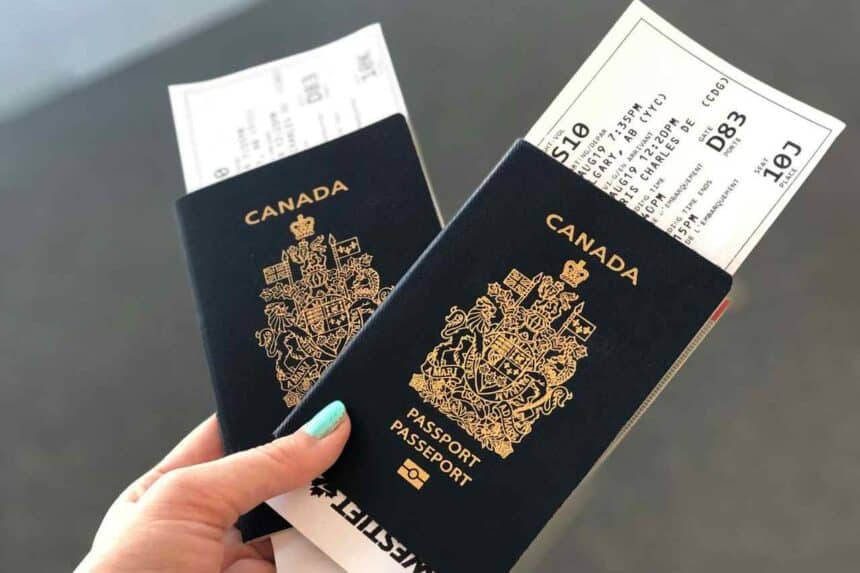
The Canadian passport, once seen as a strong symbol of global freedom, has slipped in international standing. The latest numbers from the Henley Passport Index show it now sits at eighth place for 2025, dropping from fourth place just ten years ago.
Canada now shares the eighth spot with Estonia and the United Arab Emirates. This is a notable change for a country known for open borders and friendly international relations. With visa-free travel to 184 of 227 countries and territories, Canadian passport holders still have a strong document, but losing ground raises new questions about Canada’s global profile.
A Ten-Year Downward Slide
The Henley Passport Index ranks 199 passports by how many destinations they can reach without a visa in advance. In 2015, Canada held a coveted fourth place, with access to more destinations than most. Since then, the passport has lost four spots, moving from access to 188 destinations at the start of 2025 to just 184. While Canada is still ahead of the U.S., now ranked tenth, its shift downward is clear.
Several reasons explain this change. Recent years have seen countries introduce new visa rules for Canadians. Brazil, for example, brought back visa requirements for visitors from Canada, pointing to unequal rules between nations.
Some countries, like Gabon and Togo, have also put restrictions in place, but a few—including Egypt and Brazil—have relaxed them. These shifts, with rules going both ways, show that Canada has not matched other countries in clinching new visa-waiver deals.
Sarah Nicklin from Henley & Partners says Canada’s lower ranking isn’t about losing access but failing to grow it as quickly as others. “While Canada picked up 18 more visa-free destinations since 2015, other top passports added even more,” she explains. Singapore leads this year’s list, allowing entry to 193 places without a visa. Japan, South Korea, and several European countries occupy most of the top spots.
Changes on the World Stage
Canada’s passport ranking reflects changes in the wider world. Asia-Pacific countries—led by Singapore, Japan, and South Korea—have gained more freedom of movement by setting up visa deals and working closely with other governments.
Canada’s success in these deals has slowed, possibly because of rougher ties with certain countries. Canadian travellers now face visa requirements for visits to China, Russia, and some African nations, making long-distance trips and business travel more challenging.
Travel and policy experts say Canada’s falling rank may point to a weaker influence in global affairs. “A passport shows more than travel rights.
It also speaks to a country’s place on the world stage,” says Jim Thomas, a mobility analyst in recent reports. At the same time, more countries now use electronic travel permits and e-visas. These systems add steps and make entry harder for people with Canadian passports.
What It Means for Canadians
For Canadians, moving from seventh to eighth place seems small but has real effects. More destinations now require visas, which means extra fees, paperwork, and waiting. Nations such as India, Turkey, and Vietnam ask for e-visas. Others, like Afghanistan and Cuba, still require paper visas. These tighter rules discourage last-minute travel and can make work trips more stressful, especially for those attending overseas events.
Canada’s tourism industry could also see changes. Fewer easy visa options may make Canada less attractive to tourists from countries with lower passport power. On the flip side, Canadians may look for places where entry is simpler, impacting travel patterns at home. The Liberal government is talking about new visa agreements to help reverse these trends, but progress is slow.
Still a Strong Passport
Despite slipping in the index, the Canadian passport remains a valuable document. Just over a decade ago, it ranked as high as second place. Its strength comes from access to 184 destinations, including Europe’s Schengen zone, the United States, and most of the Americas. Canada’s friendly and diverse reputation also adds to the passport’s appeal. Dual citizenship is allowed, letting Canadians pursue global opportunities.
About 70 percent of Canadians hold a valid passport, with more than 24.6 million in use. For many people, the document stands for freedom, inclusion, and access to the world. However, with travel trends always changing, Canada needs to keep working to protect this strength.
What’s Next
Canada’s government faces the task of improving its spot in the rankings by making new agreements and fixing diplomatic ties. More visa-free agreements could help restore Canada’s passport to its former strength. For now, passport holders still enjoy wide access but should expect more entry rules in many regions.
The Henley Passport Index also highlights a growing divide between passports with few and many travel freedoms. Singaporeans can visit 169 more places than Afghan passport holders. While the Canadian Passport still ranks high, the country needs to keep working to stay near the top. For Canadians, the passport is still a gateway to global travel, but it takes a little more planning than before.