




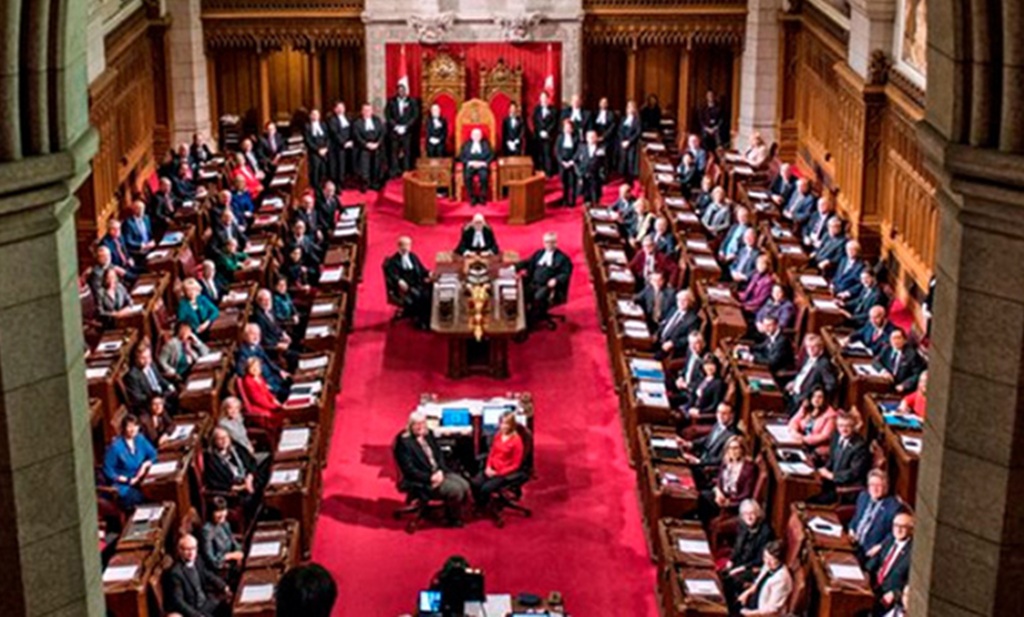
OTTAWA- Canada’s Senate has approved new legislation designed to speed up approvals for resource and infrastructure projects, including a proposed oil pipeline linking Alberta to the west coast of British Columbia.
After passing the House of Commons the previous week, the Senate gave its green light on June 26, 2025. The bill is seen as a major step to restore Canada’s energy influence and help its struggling economy.
However, the move has triggered backlash from Indigenous communities and environmental groups. They promise legal fights and protest actions, while Alberta’s oil sector remains a driving force in a country wrestling with economic difficulties and growing western frustration.
Economic Struggles Demand Urgent Action
Canada’s economy faces tough headwinds. American tariffs, imposed by President Donald Trump, have hit Canadian exports hard, most of which go directly to the U.S. Key industries such as steel, aluminium, and auto parts have suffered losses.
The federal budget is expected to post a C$48 billion deficit this year. Prime Minister Mark Carney, who took office in April 2025 with a pledge to overhaul the economy, has framed this bill as his main answer.
By making it easier for “national interest” projects to get approved—including mines, ports, and pipelines—the government wants to cut through slow-moving red tape and jumpstart growth.
The new law removes trade barriers between provinces and introduces “Henry VIII clauses.” These give the Cabinet the power to set aside some laws for projects considered essential to the country.
This approach has sparked controversy, especially among those who value process and environmental concerns over economic gains. Yet, with the economy in trouble, Ottawa argues it cannot wait for endless consultation or bureaucratic delays.
Alberta’s Oil Sector: The Core of Canada’s Economy
The bill’s main focus is Alberta’s oil industry, a major source of jobs and revenue. Canada, the world’s fourth-largest oil exporter, relies heavily on the oil sands.
The proposed pipeline to British Columbia’s coast could reopen routes like the Northern Gateway, giving Canadian oil access to Asian markets and reducing dependence on the U.S.
Alberta Premier Danielle Smith backs the plan, saying a million-barrel-per-day pipeline to Prince Rupert could bring in $20 billion a year—money needed for schools, hospitals, and other services across Canada.
The story of the Trans Mountain pipeline expansion, finished in 2024 after $35 billion in costs, shows the risks when projects face delays and cost overruns. Even with completion, most of the oil still ends up in the U.S., showing why Canada needs more pipelines to reach broader markets.
For Canada, oil is more than a product—it’s a strategic resource that keeps the economy afloat during tough times. Without it, the country risks sliding further into economic trouble and losing its competitive edge.
Indigenous Concerns Over Rights and Consultation
Indigenous groups have raised strong concerns about the bill, claiming it undermines their legal rights to consultation and threatens reconciliation progress.
Leaders like Abram Benedict of the Chiefs of Ontario have promised to challenge the law, saying the “Henry VIII clauses” let the government bypass protections for Indigenous land and water.
Past protests, such as the 2020 rail and road blockades in support of British Columbia Indigenous opposition to a gas pipeline, highlight the risk of more disruption.
While the government says it has protected consultation rights in the bill, critics argue that listening without making real changes misses the point.
Some groups, like the Tsleil-Waututh Nation, have long opposed projects like Trans Mountain because of concerns about tanker traffic and possible harm to marine life.
These are real worries, but they must be balanced with the broader needs of the country. Ottawa faces the challenge of respecting Indigenous rights while also advancing projects that benefit Canadians as a whole.
Environmental Groups Push Back
Environmental activists have also criticised the new law, arguing it weakens Canada’s climate commitments. They worry that speeding up oil and gas projects could lock in higher emissions and make it harder for Canada to meet its goals.
Joshua Ginsberg of the Ecojustice Environmental Law Clinic warns that important risks might be overlooked if projects move ahead too fast, leading to environmental damage.
However, supporters of the bill point out that oil demand remains high worldwide, and Canada’s industry operates under high labour and environmental standards.
Groups like the Pathways Alliance, made up of oil sands companies, are investing in carbon capture and storage to lower emissions. Critics warn that moving away from oil too quickly could harm the economy, especially since renewables cannot yet replace the jobs and revenue provided by oil.
Rising Separatist Feelings in Alberta
The bill arrives at a time of growing separatist talk in Alberta, where many believe federal policies ignore the province’s contributions.
Premier Danielle Smith has warned that leaving new pipelines off the list of “national interest” projects would send a negative message to Albertans, who feel their role in Canada is undervalued.
Alberta’s oil sands drive much of the national economy and hold deep local pride. Failing to act on pipeline projects could deepen the sense of division and fuel more talk of separation.
Federal leaders need to address these regional divides. Alberta’s strong sense of grievance reflects concerns about policies that seem to put eastern and global interests ahead of the West.
By supporting key projects, Ottawa could show it values Alberta and help calm separatist momentum. Keeping the country united—built on shared growth—remains the best option.
Looking Ahead: Opportunity and Uncertainty
With Senate approval, Canada faces a turning point. The law signals a willingness to move past gridlock and support important projects.
The Alberta-to-British Columbia pipeline, if built, could boost the economy by opening new markets and providing billions in revenue. But challenges remain.
Indigenous lawsuits, environmental protests, and resistance from provinces like British Columbia could slow progress and create new tensions.
Prime Minister Carney’s “one Canada economy” vision depends on finding the right mix of economic growth, Indigenous participation, and environmental care.
Planned meetings with Indigenous leaders this summer will be key to building understanding. The real test will come once the bill is signed by Governor General Mary Simon and put into action.
Canada now sits at a key decision point. The Senate’s decision to speed up resource projects is a hopeful sign for an economy in need of help, with Alberta’s oil playing a central role. The proposed West Coast pipeline offers a chance for growth and stability.
While Indigenous and environmental concerns are significant, they should not halt all progress. The country needs to find ways to work together—east and west, Indigenous and non-Indigenous—to make the most of its resources and secure a stronger future. The risk of division, stalled growth, and decline is too great to ignore.