




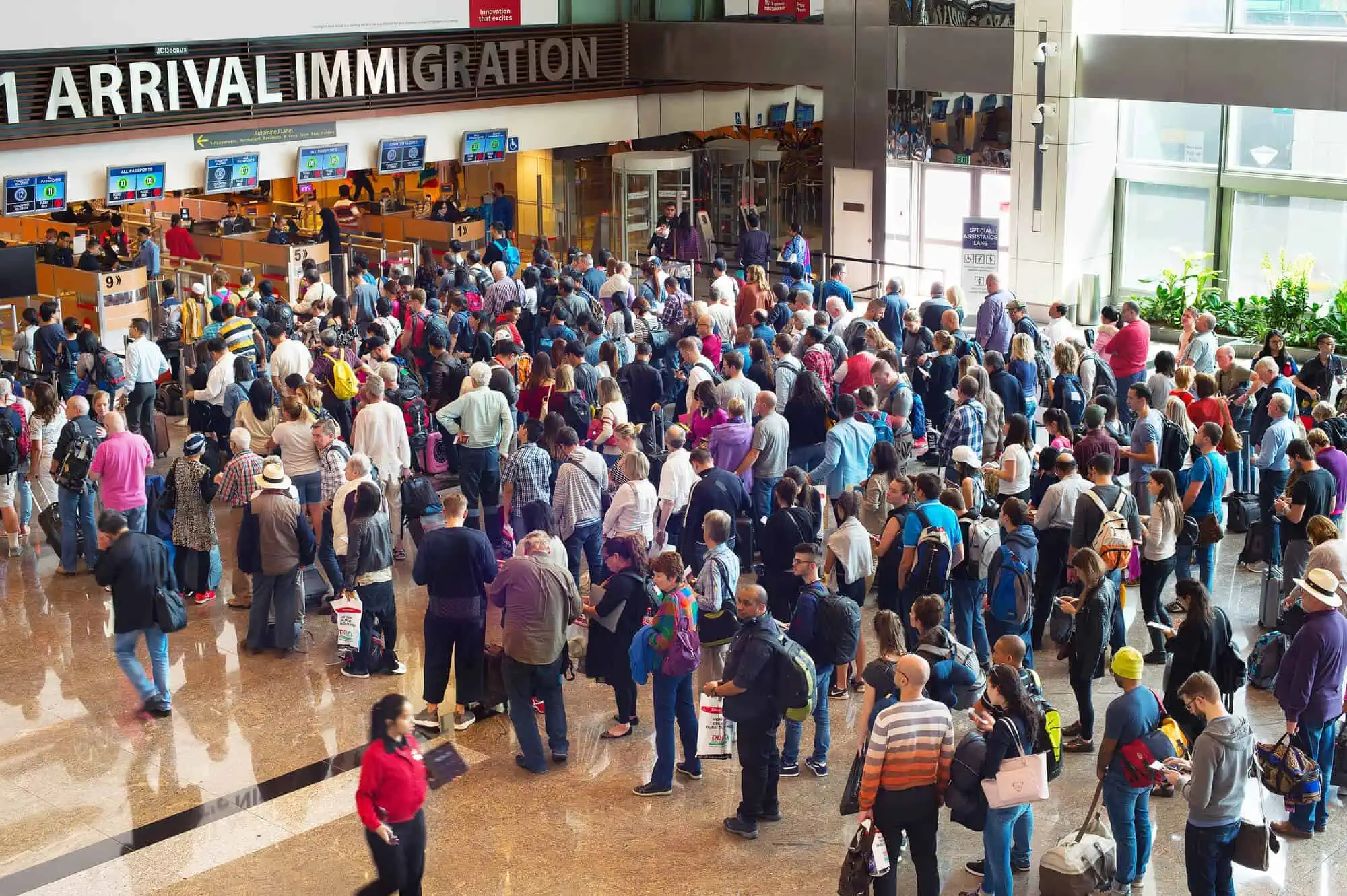
VANCOUVER – Canada has always prided itself on being open, welcoming, and respectful of different backgrounds. Its multicultural approach has helped create a society made up of many cultures living side by side. Now, as the Liberal government increases its immigration targets, many Canadians are noticing big changes in the country’s identity.
While newcomers have always played a role in shaping Canada, the current scale and speed of immigration are drawing more attention to how these changes impact daily life, values, and the sense of community. This article looks at the effects of these policies, using recent data and public opinions.
Rising Immigration Numbers Under the Liberals
Since 2015, with Prime Minister Justin Trudeau at the helm, the Liberal government has set some of the highest immigration goals in Canadian history. The plan is to welcome more than 500,000 new permanent residents every year by 2025, according to Immigration, Refugees and Citizenship Canada (IRCC).
This number does not include temporary foreign workers, international students, or those seeking asylum, which could bring the total number of newcomers to nearly 1.5 million each year. In 2023, Canada’s population growth hit 3.2%, one of the highest rates in the world, almost all due to immigration.
Supporters believe this approach fills gaps in the workforce, drives the economy forward, and builds on Canada’s reputation for helping others. On the other hand, critics say the arrival of so many newcomers at once puts stress on housing, healthcare, and schools.
Some also worry that it could widen social divisions or make it harder to maintain shared values. The growing population is changing the look and feel of cities, shifting the way people live and interact in visible ways.
Changing Demographics and Canadian Culture
Canada’s population makeup is changing faster than ever. Statistics Canada reported in 2021 that immigrants made up 23% of the population, the highest level in over a hundred years.
By 2036, projections suggest that half of Canadians could be part of a visible minority, with South Asian, Chinese, and Middle Eastern communities growing quickly. In cities like Toronto, Vancouver, and Montreal, no single group now forms the majority.
These shifts are visible in Canadian culture. Well-known symbols like hockey, maple syrup, and official bilingualism are now part of a mix that includes many new traditions. Celebrations such as Diwali and Eid have become as common in some cities as Canada Day.
While multiculturalism has always been important to Canadians, the rapid pace of change is sparking new conversations about what it means to be Canadian today.