





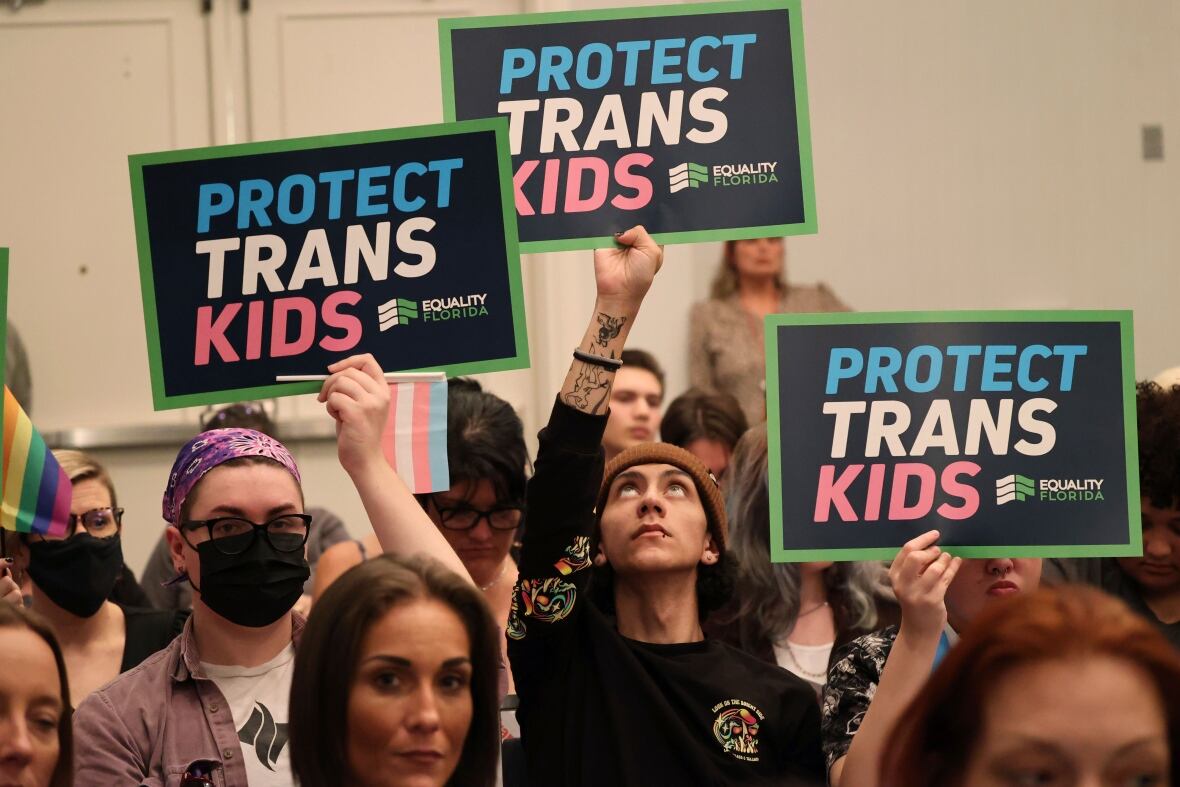
TORONTO – In recent years, Canada has witnessed a significant increase in the number of trans children and youth identifying as transgender or gender-diverse (TGD). This rise has sparked widespread discussion, touching on healthcare, education, policy, and, most critically, mental health.
As gender identity clinics report soaring referrals and schools adapt to evolving gender norms, the mental well-being of trans youth has emerged as a focal point. For many, this shift reflects a society growing more open to gender diversity; for others, it raises questions about the influences shaping young people’s identities and the systems supporting them.
This article explores the rise of trans children in Canada, the mental health challenges they face, and the broader implications for families, healthcare providers, and policymakers.
A Surge in Trans Children in Canada
Across Canada, pediatric gender clinics have reported a dramatic uptick in referrals over the past decade. Data from the Canadian Trans Youth Health Survey (TYHS), conducted between 2013 and 2014, highlighted the growing visibility of TGD youth, with 923 participants aged 14–25 identifying as transgender or genderqueer.
More recent reports, such as those from the Children’s Health Policy Centre in British Columbia, indicate that this trend has only intensified. Clinics in Toronto, Vancouver, and Montreal have noted referral increases of up to 100% in some years, with a significant proportion of those referred being adolescents assigned female at birth.
Dr. Greta Bauer, an epidemiologist at Western University, attributes this surge to greater societal acceptance and awareness. “The increase may look steep, but we’re talking about small numbers relative to the population,” she says. “These are youth who always existed but are now more comfortable seeking care.”
Yet, critics like Dr. James Cantor, a former scientist at the Centre for Addiction and Mental Health (CAMH), argue that the rise may also reflect social influences, including peer groups and online communities, which some label as “social contagion.” This theory remains controversial, with studies like the Trans Youth Can! project finding no evidence that psychological distress or social pressures alone drive transgender identification.
The numbers are striking. In Ontario, the number of individuals approved for gender-affirming surgeries under the Ontario Health Insurance Plan (OHIP) jumped from 59 in 2010 to 1,460 in 2018. While not all of these are minors, the trend underscores a broader demand for gender-affirming care. Clinics report waitlists stretching months, if not years, highlighting a system struggling to keep pace with need.
Mental Health Disparities: A Stark Reality
The mental health of trans youth in Canada paints a sobering picture. Research consistently shows that TGD children and adolescents face significantly higher rates of psychological distress, depression, anxiety, self-harm, and suicidality compared to their cisgender peers.
A 2017 study published in the Journal of Adolescent Health found that 65% of transgender youth aged 14–18 had seriously considered suicide in the past year, compared to just 13% of cisgender youth in the British Columbia Adolescent Health Survey. Only a quarter of these trans youth rated their mental health as “good” or “excellent.”
More recent data from the 2022 Mental Health and Access to Care Survey (MHACS) reinforces these disparities. Among Two-Spirit, lesbian, gay, bisexual, transgender, and queer (2SLGBTQ+) youth aged 15–24, 56% met the criteria for a mental health or substance use disorder in the past year, compared to 29% of cisgender, heterosexual peers. Suicidal ideation was reported by 25% of 2slgbtq+ youth, five times higher than their cisgender counterparts.
These statistics reflect the toll of societal pressures. Trans youth often face discrimination, bullying, and rejection, both at school and within families. The Children’s Health Policy Centre reports that trans and nonbinary youth experience peer victimisation and verbal harassment in Canadian schools at alarming rates. At home, emotional neglect or abuse can exacerbate feelings of isolation. “The adverse experiences these kids face are preventable,” says Dr. Elizabeth Saewyc, a researcher at the University of British Columbia. “They’re directly linked to higher risks of depression and anxiety.”
Yet, not all trans youth report negative outcomes. A notable minority—those with strong family and social support—describe mental health comparable to their cisgender peers. A 2016 study in Paediatrics found that transgender children who had socially transitioned (living openly as their affirmed gender) and were supported by their families showed normative levels of depression and only slightly elevated anxiety. This suggests that affirmation and acceptance are powerful protective factors.
The Role of Gender-Affirming Care
Gender-affirming care, which includes social transitions (e.g., using preferred names and pronouns), medical interventions (e.g., puberty blockers or hormones), and surgical options, is increasingly seen as a cornerstone of supporting trans youth.
Research, such as a 2022 study in JAMA Network Open, demonstrates that access to puberty blockers and gender-affirming hormones is associated with lower rates of depression and suicidality over 12 months. In Canada, where universal healthcare covers many of these interventions, access is theoretically widespread, though barriers like long waitlists and regional disparities persist.
Puberty blockers, which delay pubertal changes to give youth time to explore their gender identity, are a common first step. The Canadian Pediatric Society notes that these medications are safe when used appropriately and can significantly alleviate gender dysphoria. However, access to blockers is not universal—Alberta’s proposed Health Statutes Amendment Act, for instance, would ban them for those under 16, a move that has sparked heated debate.
Hormone therapy and surgeries, typically reserved for older adolescents, are more complex. While chest masculinization surgeries are sought by some assigned-female-at-birth (AFAB) youth, “bottom” surgeries are generally restricted to those 18 and older.
The decision to pursue medical interventions is often fraught, with youth and families weighing benefits against risks. Sadie, a 21-year-old from British Columbia, recalls being offered testosterone at 17 after just two sessions with psychologists. “It felt too fast, even though I wanted it,” she says. Now identifying as nonbinary, she’s grateful she didn’t proceed with medical changes.
Critics argue that the healthcare system sometimes rushes youth toward medical interventions without adequately addressing underlying mental health issues. Dr. Ken Zucker, who formerly led CAMH’s gender clinic, suggests that some adolescents may be misdiagnosed with gender dysphoria when conditions like borderline personality disorder could explain their distress.
Others, including parents and detransitioners (those who revert to their birth gender), call for more robust psychological assessments. “The system is geared toward affirmation, not exploration,” says Kimberly, a member of the Gender Dysphoria Alliance.
Proponents of gender-affirming care counter that delays can exacerbate mental health struggles. “For many trans youth, the distress of gender dysphoria is the primary driver of their mental health issues,” says Dr. Ashley Vandermorris of the Canadian Paediatric Society. “Affirming their identity can be life-saving.”
Social and Cultural Influences
The rise in trans identification among youth has prompted debate about the role of social and cultural factors. Schools, where gender diversity is increasingly normalised, are a key influence. Some parents report that classroom discussions about gender identity lead children to question their own. “It was presented that if you’re uncomfortable with your body, you might be transgender,” says Mary, a social worker and mother of a teenager who briefly identified as trans. She describes a “cluster” of trans-identifying students in her daughter’s class, a phenomenon some attribute to peer influence.
Social media also plays a role. Platforms like TikTok and Reddit host vibrant communities where youth explore gender identity, often finding validation and information. While these spaces can be empowering, critics argue they may oversimplify complex issues, presenting transition as a solution to broader adolescent struggles.
A 2023 study in BJPsych Bulletin noted that the rise in trans referrals coincides with increased online visibility of gender-diverse identities, though it stopped short of claiming causation.
Conversely, trans advocates argue that social media merely amplifies existing identities. “These platforms give kids language to describe who they’ve always been,” says Ace Chan, a researcher with the TYHS. The debate remains polarised, with little consensus on how much weight to assign to social influences versus innate gender identity.
Canada’s progressive stance on transgender rights shapes the landscape for trans youth. All provinces cover some gender-affirming surgeries, and legal protections against discrimination are robust. However, policies vary. British Columbia’s Infants Act allows mature minors to consent to medical care, including gender-affirming treatments, without parental approval if deemed in their best interests. In contrast, Alberta’s proposed restrictions signal a potential rollback of access.
Federally, Bill C-4, passed in 2021, criminalised conversion therapy, a move hailed as a victory for 2slgbtq+ rights. Yet, some worry its broad wording could discourage therapists from exploring underlying mental health issues before affirming a trans identity, fearing legal repercussions. “Therapists are hesitant to ask tough questions,” says Michelle Zacchigna, who detransitioned after undergoing surgery. She argues for a balanced approach that neither dismisses nor rushes gender-affirming care.
Ethical questions also arise around the irreversibility of some interventions. Dr. Marci Bowers, a leading gender-affirming surgeon, has cautioned that early use of puberty blockers can complicate later surgeries, potentially affecting sexual function. These concerns fuel calls for more longitudinal research, as most studies on gender-affirming care focus on short-term outcomes.
The Path Forward: Balancing Support and Scrutiny
The rise of trans children in Canada reflects a complex interplay of biology, culture, and policy. For many youth, gender-affirming care and social support are lifelines, reducing the mental health burdens of dysphoria and stigma. Yet, the rapid increase in identification, coupled with persistent mental health disparities, demands a nuanced response.
Healthcare providers face the challenge of distinguishing between youth with persistent gender dysphoria and those whose distress may stem from other sources. Enhanced training in transgender competency, as recommended by the TYHS, could equip clinicians to navigate these complexities. Schools, too, must balance inclusivity with sensitivity to parental concerns, fostering environments where all students feel safe.
Policymakers must grapple with access versus caution. While affirming care saves lives, the voices of detransitioners and critics highlight the need for rigorous, individualized assessments. Investments in mental health services—currently underfunded, with only 7% of Ontario’s healthcare budget allocated despite mental illness accounting for 10% of disease burden—could bridge gaps in care.
Families play a pivotal role. Research underscores that parental support dramatically improves mental health outcomes for trans youth. Initiatives to strengthen parent-child relationships, such as those advocated by the Canadian Paediatric Society, could mitigate the risks of suicide and self-harm.
As Canada navigates this evolving landscape, the stories of trans youth like Sadie and Mary’s daughter remind us of the stakes. Their experiences—marked by courage, confusion, and resilience—call for a society that listens, supports, and questions in equal measure. Only through open dialogue and evidence-based care can we ensure that trans children thrive, mentally and emotionally, in a world still learning to understand them.
Sources: Canadian Trans Youth Health Survey, Journal of Adolescent Health, JAMA Network Open, Children’s Health Policy Centre, Statistics Canada, National Post, Canadian Paediatric